AI · Personal · 2026
Phono StoryForge
Kids with dyslexia are told to read books “at their level.” But books at their exact level, about things they actually like, barely exist. And nothing pays attention to which sounds they're stuck on. So I built something that does.
How it works
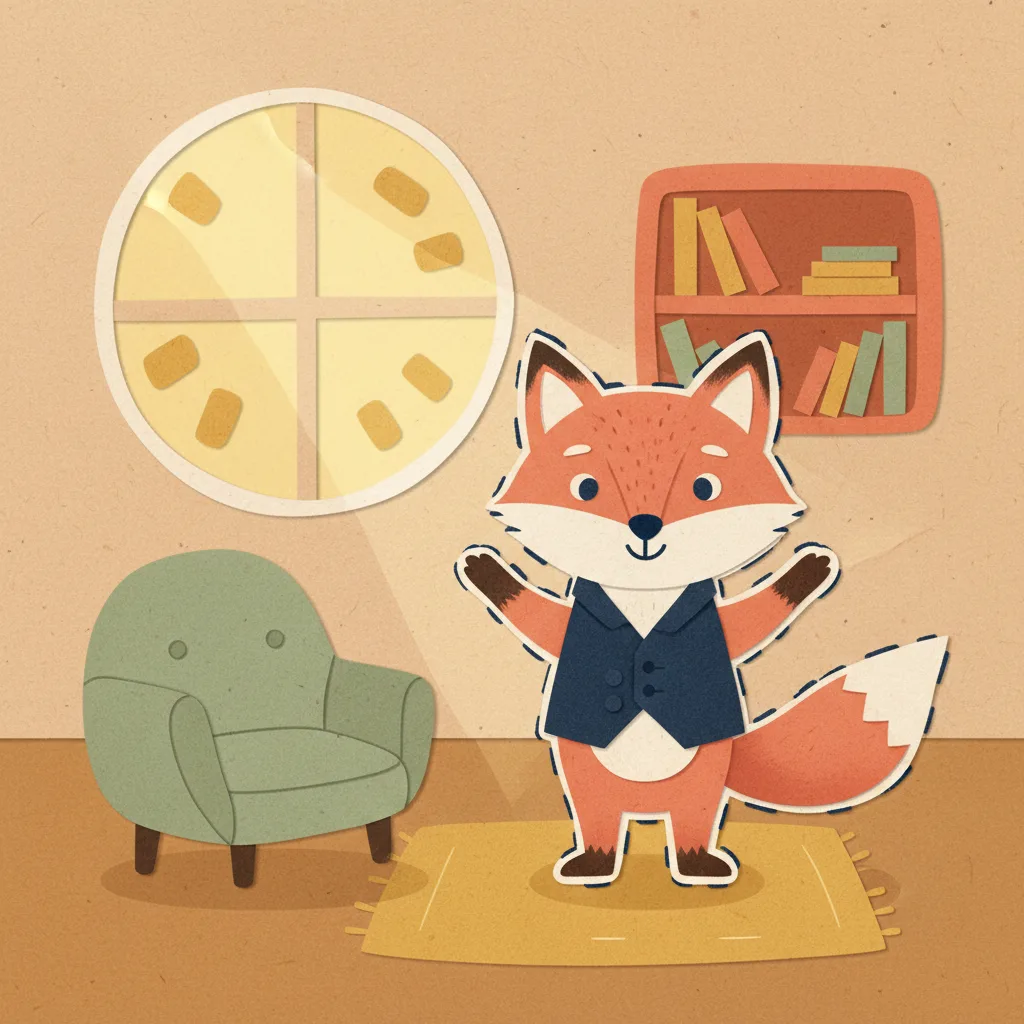
It picks the one sound a kid is ready to learn next. It writes a short story using only the sounds they know, plus that new one, and draws the pictures. Then it listens to the kid read it out loud, notices exactly which sounds tripped them up, and uses that to pick the next book.
The rule
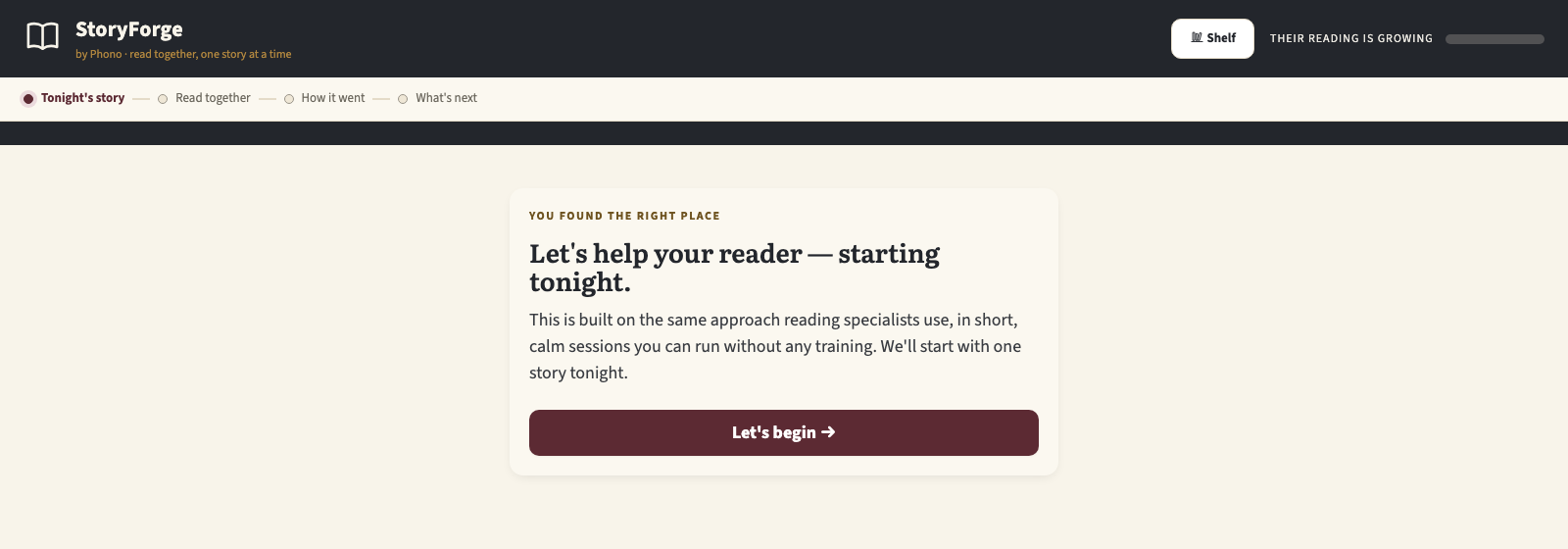
The AI writes the story, but plain code checks every word before a kid sees it. If a word uses a sound they haven't learned yet, the story goes back to be rewritten. It would rather stop than hand a kid a book that's too hard.
Does it work?
I tested it against the same tutor with the adapting part turned off, using 30 simulated readers over 40 sessions. The adaptive version came out ahead, about 5 more words read correctly per minute, and it held up every way I changed the test. Once a kid really knows a sound, the two tie, and I say that in the write-up too.
Where it came from
I built it as my capstone for Google and Kaggle's 5-Day AI Agents Intensive, in the Agents for Good track. It's open source on GitHub.
Built in Python on Google's Agent Development Kit, with Gemini writing the stories, drawing the pictures, and listening to kids read. It sends each book to Google Docs and a note to parents in Gmail through MCP. Coded with Claude Code.